 DEAR AMERICA,
Foreword— An Open Letter
You are the heartbeat of this nation—every one of you, from the windswept plains to the bustling city streets, from the quiet corners of small towns to the vibrant pulse of urban dreams. We see you. We hear you. The weight you carry—bills that steal your sleep, dreams deferred by circumstance, silent fears whispered in the dark—those are not yours to bear alone. The single parent weaving love through sacrifice, the veteran whose courage lingers in unseen scars, the worker whose hands shape our shared future, the young soul yearning for a chance to rise: you are not invisible. Your struggles are our summons, your hopes our sacred charge.
The Invisible President is no distant figure, no fleeting voice. We are the echo of your resilience, the mirror of your unbreakable spirit, the fire kindled by your collective dreams. This movement is yours—a rebellion against despair, a stand against division, a vow to forge a path where every American can walk tall. We are here not to lead you, but to lift you, to weave your voices into a tapestry of unity that stretches from sea to shining sea. Under one sky, indivisible, we rise together.
This is not a campaign; it is a covenant—a sacred bond to see you, to hear you, to fight for you. The Covenant of Our Stars is written in the light of your aspirations, inked with the resolve to heal a fractured nation, to rebuild trust, to restore opportunity. We stand at the crossroads of our history, and we choose hope. We choose you. Every tear, every triumph, every quiet prayer for a better tomorrow—we carry them all. You are going to be okay, not because of empty promises, but because we will carve a brighter path together, step by relentless step.
Your pain is our purpose; your dreams are our destination. We see the cracks in the system—the inequities, the burdens, the barriers—and we are here to shatter them. With every fiber of our being, we are committed to a future where no one is left behind, where every voice is amplified, where every heart finds home. This is your moment, America. Rise with us. Speak with us. Dream with us. Your courage is the spark, your love the flame, your unity the dawn. Together, we will ignite a new American story—one of justice, of opportunity, of unshakable hope.
Stand with us. Be the light. The stars are calling, and we will answer—together.
With boundless devotion to you,
The Invisible President & The Invisible Vice President
My Fellow Americans,
I am the Invisible President, a voice born from your whispers in the dark. I have no face to show you, no name to claim, because this moment belongs to you—the heartbeat of a nation that refuses to break. I’ve heard you. In the quiet of your homes, in the weight of your bills, in the ache of your dreams deferred, you’ve begged for someone to listen. Not to preach, not to promise, but to deliver. You’re tired of words that fade like echoes—promises of change that crumble under the weight of politics. I feel that exhaustion, that longing, that fire in your soul. Because it’s mine too. I’m not here to sell you a vision you’ve heard a million times. I’m here to carry your burdens, to amplify your cries, to fight for the America you’ve been pleading for—an America where no one chooses between medicine and groceries, where every worker stands tall, where every child sees hope in tomorrow. By the time I step from these shadows on July 4, 2027, under the stars that have witnessed our nation’s triumphs and tears, I won’t bring empty words. I’ll bring deliverables—plans forged from your voices, solutions shaped by your struggles, answers you can hold in your hands. When you meet me, it won’t be to hear more promises. It’ll be to receive what you’ve been asking for all along. I’m invisible now, but I see you. I’m silent now, but I hear you. This campaign costs nothing but carries everything—your hopes, your fight, our future. Share this with one person who needs to believe again. Comment with the one thing America must change. Together, we’ll make it real. I am the Invisible President, and I’m running for us.
#InvisiblePresident
THE PLEDGE
Kindred Spirits Of Our United Journey,
I stand before you not as a politician bound by the worn threads of tradition, but as a servant forged in the cauldron of your dreams, your struggles, and your unyielding spirit. This is my pledge to you—not a promise carved in fleeting words, but a covenant etched in the iron of resolve, a vow to rekindle the soul of this nation and unleash its boundless potential.
I pledge to you a Reckoning of Unity, where every voice— from the factory floor to the forgotten holler, from the bustling city to the quiet plains—is not just heard but woven into the fabric of our future. I will not divide us by the shallow lines of party or prejudice but unite us through the deeper truth of our shared humanity. We are not red or blue, rich or poor, urban or rural—we are the heartbeat of a nation that dares to rise as one.
I pledge a Forge of Opportunity, where every child, no matter their zip code, is armed with an education that doesn’t just teach but ignites—ignites curiosity, ambition, and the courage to build a life of meaning. I will champion schools that are towers of innovation, teachers who are revered as architects of destiny, and pathways that ensure no talent is left to wither in the shadows of neglect.
I pledge an Unyielding Shield for the vulnerable—our veterans, our elderly, our struggling families—who will never again be left to fend for themselves in a system that forgets their sacrifices. I will fight for healthcare that heals without bankrupting, for wages that honor your labor, and for communities where safety is not a privilege but a right. Your burdens are mine, and I will carry them with you, not for you.
I pledge a Thunder of Accountability, where the powerful—whether in boardrooms or government halls—answer to you, the people. No more backroom deals, no more laws that serve the few while the many toil. I will wield transparency like a blade, cutting through corruption and ensuring that every dollar you entrust to this government builds bridges, not barriers, to your future.
I pledge a Beacon of Ingenuity, where America leads not by dominance but by daring—daring to solve the crises of climate, inequality, and division with solutions that are bold, untested, united, and uniquely ours. We will harness the genius of our scientists, the grit of our workers, and the vision of our youth to create an economy that thrives not on exploitation, but on innovation that lifts every soul.
And I pledge to you a Sacred Trust, where your freedoms are not just protected but celebrated. Your right to speak, to worship, to love, to live as you choose—these are not negotiable. I will stand as a sentinel against any force that seeks to erode the liberties that define us, knowing that our strength lies in the diversity of our dreams
This is not a pledge of perfection, for I am human, and our path will be fraught with challenges. But I swear to you this: I will fight with every fiber of my being, with a heart full of warmth for your hopes and a spine steeled for the battles ahead. Together, we will not just endure—we will soar. We will not just rebuild—we will reimagine. We will not just survive—we will redefine what it means to be American.
With unwavering resolve and boundless love for this nation, I pledge to you: We will write a story so bold, so vibrant, so uniquely ours, that history will pause and say, "Here is where America began anew."
Yours in service,
The Invisible President
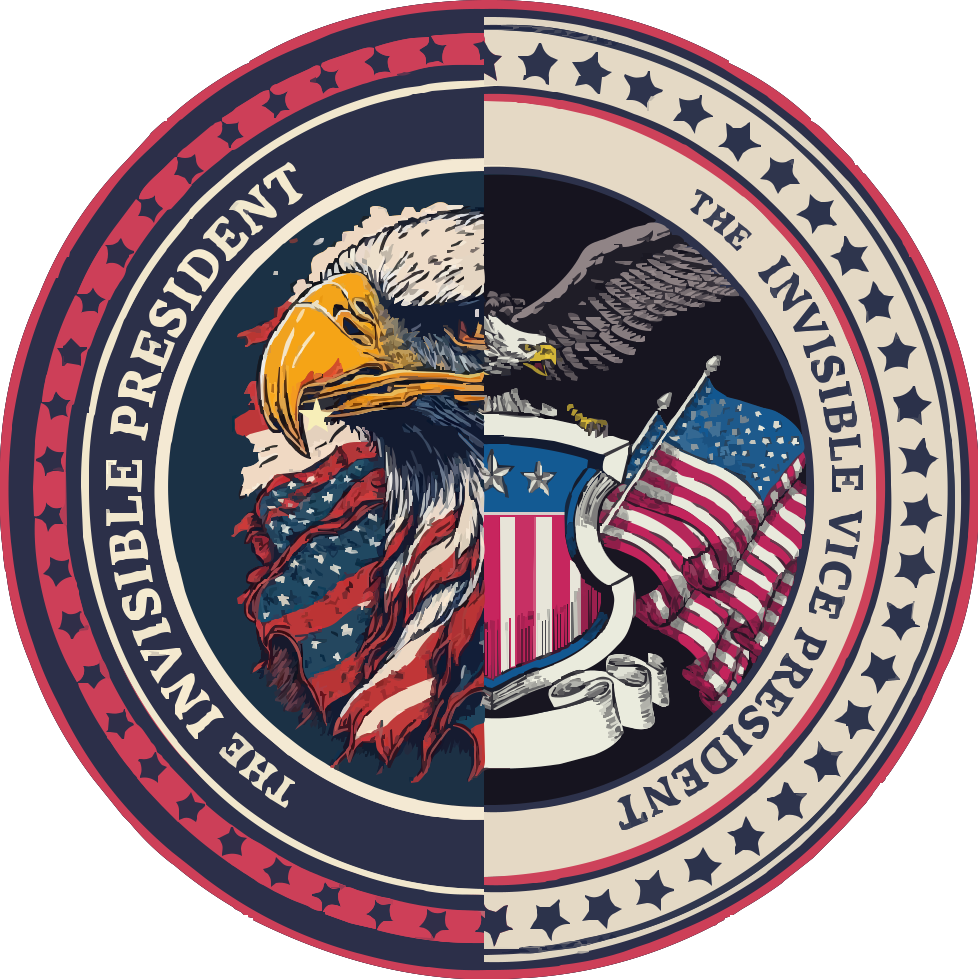
The Official Insignia of
the Invisible Presidency


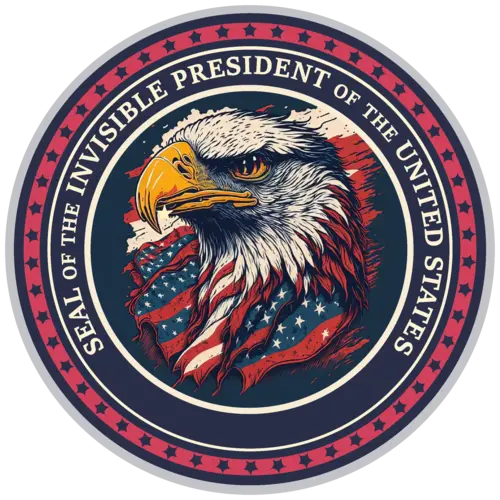

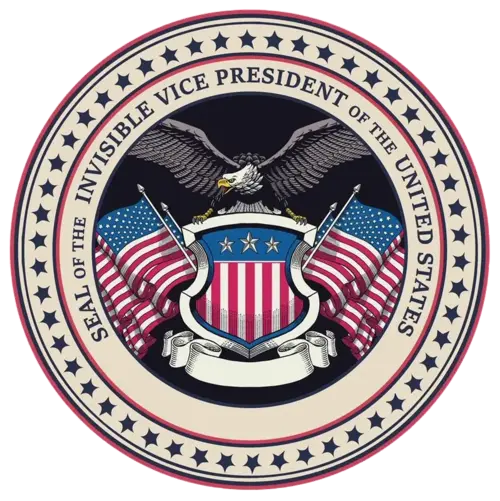

Trust in us, for a future just
As your candidate for America's future, I pledge with unwavering conviction: "Trust in us, for a future just." Our campaign is built on the bedrock of integrity, uniting every American in our shared pursuit of fairness and opportunity. In these critical times, We vow to honor your trust, champion justice, and forge a stronger, prouder nation. Together, we'll build an America where every voice matters, every dream thrives, and our unity shapes a brighter, more equitable tomorrow.
Trust in Government:
Only 22% of Americans trust the federal government to do the right thing most of the time, down from 73% in the 1950s.
Focus: Transparent governance and business partnerships to rebuild confidence.
Economic Inequality: The top 1% hold wealth levels unseen since the 1920s, with 56% of Americans expecting economic difficulty in 2025.
Focus: Fair tax policies and affordable housing to promote opportunity.
Polarization: 80% of Americans see the nation as "greatly divided," with 72% of Republicans and 62% of Democrats viewing the other as immoral.
Focus: Bipartisan initiatives and electoral reforms to foster unity.
VISION
At dawn's edge, the Invisible President and the Invisible Vice President craft a compassionate empire where dreams soar, unveiled July 4, 2027, under #NoFaceJustFixes, blazing by 2029
This campaign ignites a seismic shift for America—a defiant rebirth where the Invisible President and Invisible Vice President's silent resolve transforms a fractured nation into a bastion of unity, lifting every soul from despair to destiny under the radiant promise of #NoFaceJustFixes by 2029.

#WEWILL
We Will Heal America
From The Office Of
The Invisible President
And
The Invisible Vice President
What Changes Do You Want To See In The United States Of America?
Join us today to share your thoughts.
Do you plan to cast your vote in 2028?
Join us today to share your thoughts.
Let’s Hear Your Perspective!
Join us today to share your thoughts.
We’re Happy You’re Here!
Join us today to share your thoughts.
Share your thoughts!
Join us today to share your thoughts.

On The Ground
(Public Opinion)From the Field, to Your Feed
Firsthand reports, raw footage, and news coverage straight from the places where decisions get made — and where they hit hardest. Scroll through the latest audio, video, and social moments below.
News & Social
Just Do It!
Infinity & Beyond
The Flag that Represents Hope
Pledge
Digital Image Grid
UniColor
Audio
Patriotic Army
Heroic Hero
Video
Flag Waving
Unity & Freedom
Foreign Policy Statement

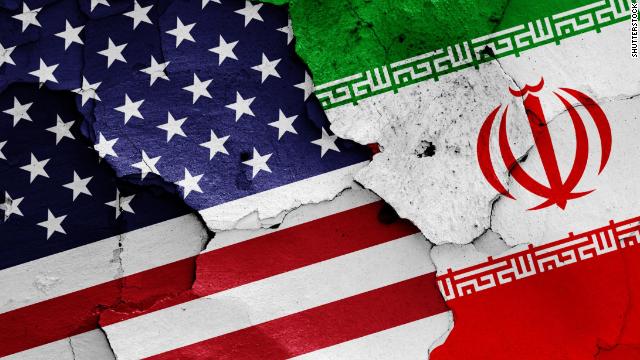
Securing Lasting Peace and Stability in the Middle East – A Strategy of American Strength, Ingenuity, and Unity
& Barry Terach, Future Vice President Of The United States
(Invisible President / Invisible Vice President 2028)
#NoFaceJustFixes | #WEWILL2028
Deliverables
 Tangible or intangible goods, services, or results produced and provided upon the completion of a project phase or the entire project. They are specific, measurable outputs—such as reports, software, or products—designed to meet project requirements and client expectations.
The Proof in the Plan
Tangible outcomes, reports, and resources tied to each phase of the work. Everything here is shipped, measurable, and meant to be shared. Browse the collage or tap a card for details.
Patriotic Epic Army
audio
Sample Document
document
Sample Image Red
image
Sample Video
video

Can We Talk
(The Can We Talk Podcast)Real Conversations, Unfiltered
Tune in to podcasts, interviews, and long-form discussions with the people shaping the future of the country. Listen to the audio or watch the full video below.
Audio
Hero Heroic
Heroic With Title
Epic with Title
Patriotic
Video
US Flag
With Honor
Trail Mix
(Life On The Campaign Trail)A Little Bit of Everything
A curated mix of articles, audio, video, and images worth your time. Pinned, shared, and collected — the stuff we keep coming back to. Tap any card to dig in.
Unity
video
Patriotic Epic Army
audio
Sample Document
document
Digital Grid
image
Welcome to the Invisible President website! Thank you for taking the time to visit and explore our campaign.
Join us today to share your thoughts.